Tag: Race

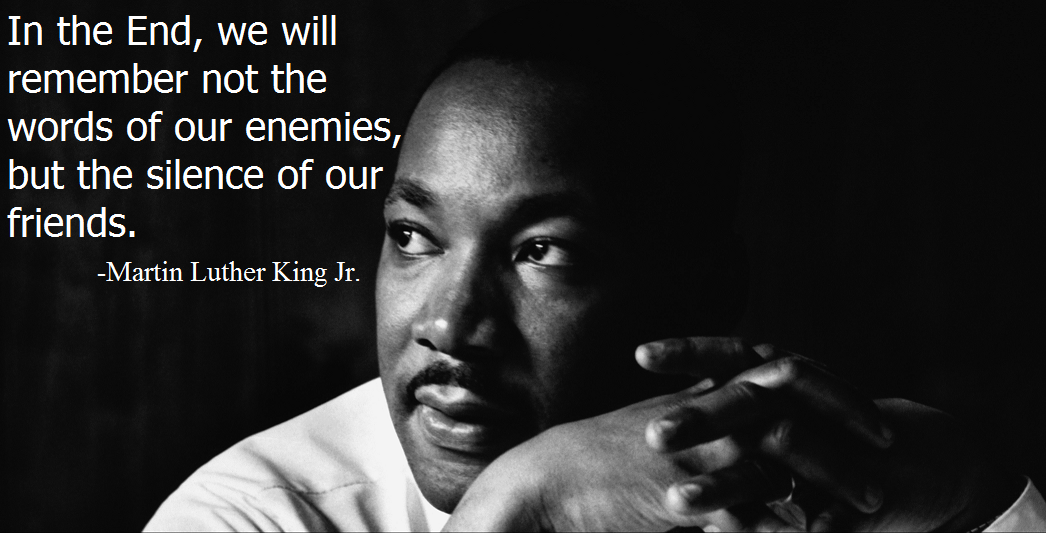
  • The Dangers of Remembering MLK

    mlk-in-the-end

    As a national holiday, the commemoration of Martin Luther King jr. has been fraught with problems. Aside from the resistance to its creation, the act of collective remembrance itself is a deeply political affair. The building of monuments, the preservation of moments, and the mythologizing of symbols, people, and places are much more than a simple, dry cataloguing of dead facts. They are acts of creation that can be deeply contentious, as other recent conflicts surrounding Confederate symbols and statues have (again) reminded us. These fragments of pasts are commonly portrayed as something like a woven quilt, with patchwork pieces that we stitch, replace, and re-stitch together to tell shared stories that inform our understanding of the present and convey values and lessons for the future. We can also think of them as weapons, to be used and deployed in struggles over those same understandings, values, and lessons. As weapons, these commemorations can be dangerous, depending on how they are wielded and to what ends.

    (more…)
  • Concepts of Note: What is Herrenvolk democracy?

    Concepts of Note: What is Herrenvolk democracy?

    white league (2)

    [[ The purpose of Concepts of Note entries is to provide summaries and reflections on important concepts in political theory, social science, and the humanities ]]

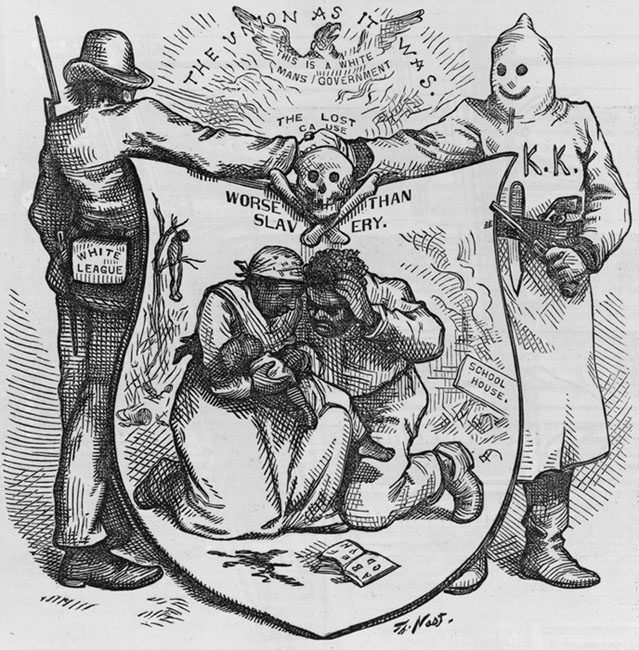
    Herrenvolk democracy” is a crucial concept for understanding the potential racial dimension of democratic belonging and exclusion within a political body, as well as the inequalities of power, rights, and resources that follow. Coined by Pierre van den Berghe, a Herrenvolk democracy is a political order that is “democratic for the master race but tyrannical for subordinate groups” (p.18). There is equality, but only within the dominant racial group. Most importantly, the sociopolitical equality enjoyed within the dominant racial group is premised upon rather than in contradiction with the inequality that sustains the order as a whole. The idea that this should be considered a “real” form of democracy at all may sound strange or appear hypocritical on its face, especially to contemporary citizens of liberal democracies. The fierce international criticisms and boycotts of the apartheid regime in South Africa (where whites ruled, and people of color were disenfranchised, segregated, and stripped of citizenship) during the second half of the 20th century exemplifies this sense of its illegitimacy. Yet, the apparent contradiction of Herrenvolk democracy is something that was fought for and achieved, rather than being transhistorically obvious to all.

    (more…)